
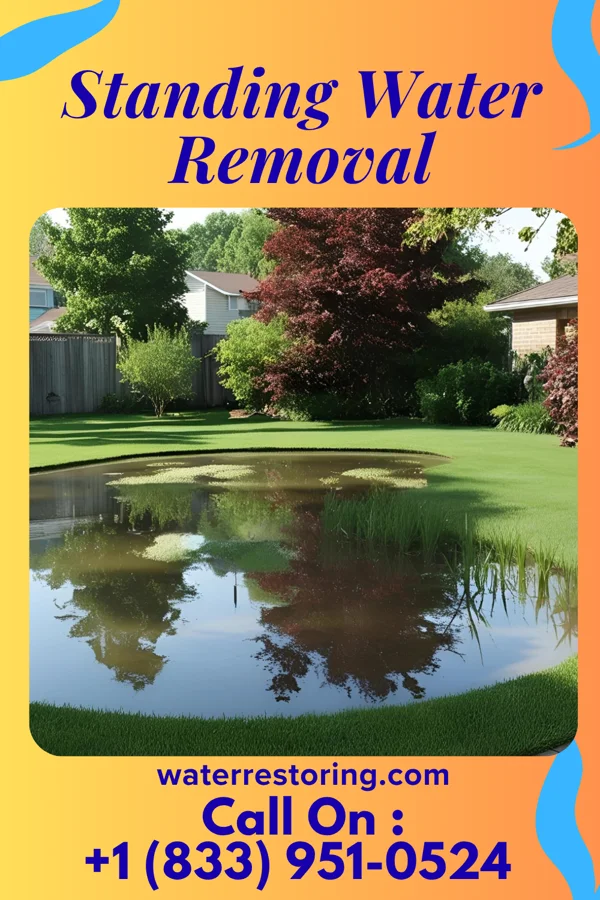
When Grand Point Properties Need Standing Water Removal
Water damage in Grand Point usually starts with In Grand Point, Louisiana, the primary water damage cause is often due to heavy rainfall and flooding from the nearby Atchafalaya River, which can lead to basement flooding and structural water intrusion. Additionally, aging infrastructure and frequent downpours contribute to water accumulation in low-lying areas of the rural community.. A close second is Secondary causes include plumbing leaks from outdated systems in older homes, sewer backups during extreme weather events, and groundwater seepage through porous soil in the Saint James Parish region. These issues are exacerbated by the area's proximity to waterways and frequent thunderstorms.. Professional restoration follows the IICRC protocol on every job. Assess. Extract. Dry. Sanitize. Document.
Grand Point experiences a subtropical climate with high humidity and frequent thunderstorms, increasing the risk of water damage. The region is also prone to flash flooding, especially during hurricane season, which can lead to sudden and severe water intrusion in residential properties.
Water damage in Grand Point follows a few local patterns. In Grand Point, Louisiana, the primary water damage cause is often due to heavy rainfall and flooding from the nearby Atchafalaya River, which can lead to basement flooding and structural water intrusion. Additionally, aging infrastructure and frequent downpours contribute to water accumulation in low-lying areas of the rural community. accounts for the bulk of our calls. Grand Point experiences a subtropical climate with high humidity and frequent thunderstorms, increasing the risk of water damage. The region is also prone to flash flooding, especially during hurricane season, which can lead to sudden and severe water intrusion in residential properties. Due to the high humidity and frequent moisture exposure in Grand Point, mold can develop within 48 hours of water intrusion. Prompt remediation is critical to prevent health risks and structural damage, especially in the rural areas where ventilation is limited.